kidney needed · Dallas, TX
I've been on the waitlist for 15 years
I love my life and I am a happy person that wants to continue living.
This opens a short, confidential first step. It takes a few minutes, nothing you enter comes back to this page, and taking it commits you to nothing.
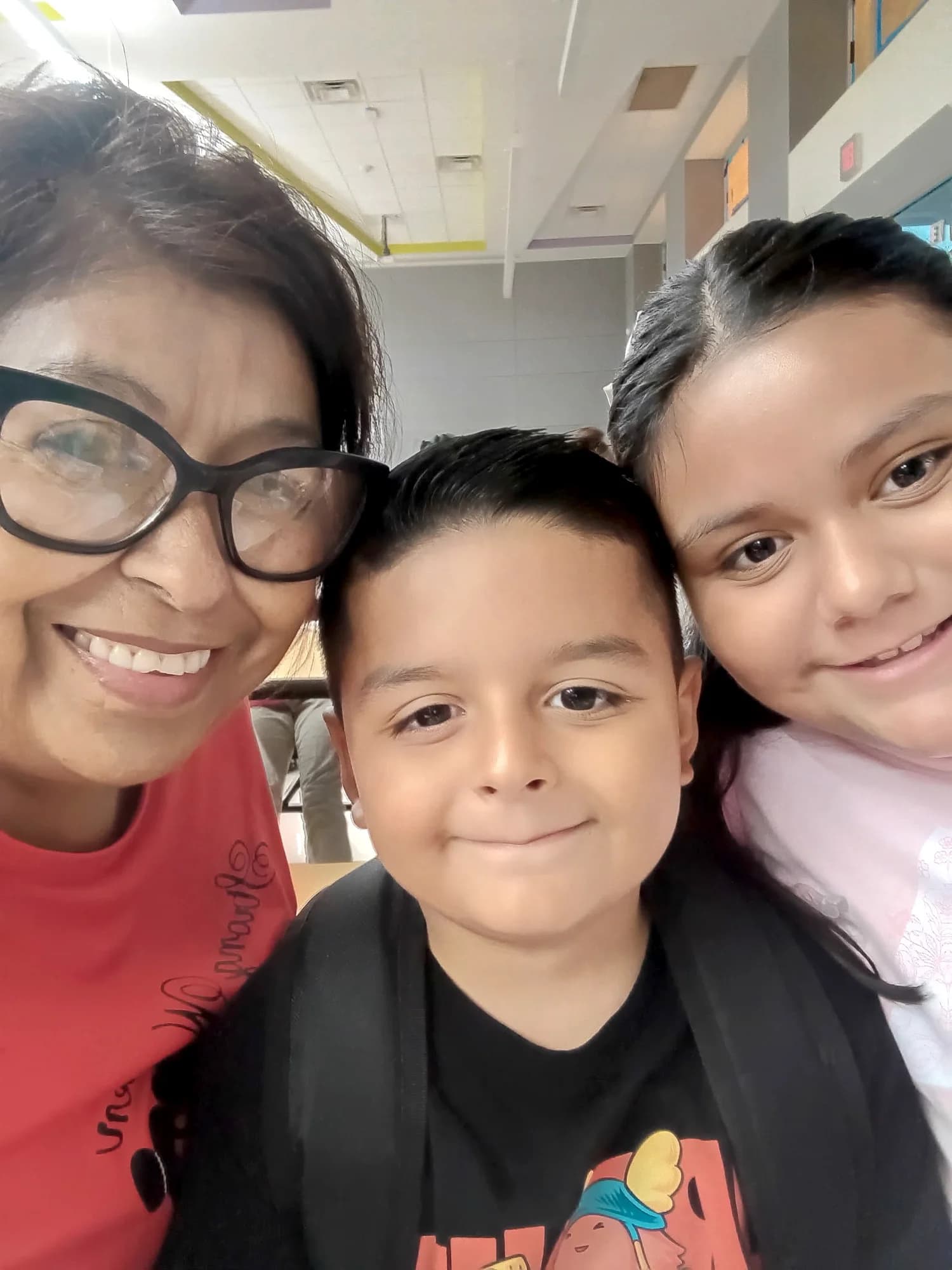
Every Friday, I play loteria with my family. It's the kind of thing that sounds small until you realize it's the thing you look forward to all week. I also love music — Dolly Parton, The Judds, nortenas, whatever's on. And I love being with my grandkids, playing dolls, watching movies, telling them stories about when I was little.
What's going on is that I have glomerulonephritis, a disease that damaged the tiny filters inside my kidneys. A transplant is what fixes that. I've been on dialysis since 2011, and I started doing it at home in May of 2025. It was hard to learn at first, but now I'm kind of an expert at it. Even so, it's five days a week, two and a half hours each time, and I'm tired all the time, with shortness of breath that doesn't really go away. Traveling, something I love, now means bringing along a heavy machine and someone strong enough to help carry it.
A transplant would mean getting some of that energy back. It would mean traveling without planning around a machine, without the exhaustion trailing behind every trip. It would mean more Fridays at the loteria table without feeling worn down, more afternoons with my grandkids where I'm not running on empty — still telling them the same old stories, but with more of myself in the room.
This touches my grandkids most of all. They're used to seeing me with the machine, used to the routine, but I want more ordinary time with them — the kind where I'm just their grandmother, not someone managing a treatment schedule.
Finding out whether you could be a donor is free and private, and it doesn't commit you to anything. If you're a match, the testing and surgery are covered by my insurance, not paid by you. If you're not a match, that's not the end of it — kidneys can sometimes be exchanged between pairs, so you could still help someone that way. The whole time, the medical team works for you, not for me. They're there to look out for you, and you can stop at any point, for any reason, without having to explain it to anyone, including me.
If you're willing, the first step is just finding out what's involved. Nobody's asking you for an organ right now — just to see whether you could be a donor.
And if you can't, sharing this still matters. Most people who end up donating hear about it from a friend, not from the person who needs it. So even just passing this along could be the thing that makes a difference.
Could you be Maria's donor?
Finding out costs nothing, is completely private, and you can stop at any point for any reason. Most people learn they are not a match, and that is an ordinary outcome.
Thinking about it? Here is what is actually involved.
Cost, risk, recovery, and whether you would even qualify — in plain language, with sources.
Thinking about it? Here is what is actually involved.
Cost, risk, recovery, and whether you would even qualify — in plain language, with sources.
- $0
- the donor pays for surgery and testing
- The recipient's insurance or Medicare covers the donor's evaluation, the operation, the hospital stay, and donation-related follow-up. The donor does not get a medical bill. What is not covered is the real burden — lost wages, travel, and childcare.
- National Kidney Foundation, reviewed 2026
- $6,000
- available toward lost wages, travel and childcare
- The National Living Donor Assistance Center reimburses up to $6,000 per donor. As of September 2026, eligibility looks at the donor's own income — the recipient's household income no longer affects it, and low- and moderate-income donors get priority. Costs only count once you are approved, so it helps to start the process early.
- NLDAC, re-verified September 2026
- 30.8 per 10,000
- donors develop kidney failure within 15 years
- Against 3.9 per 10,000 among matched non-donors in equally good health. Donating raises the risk, and that is worth saying plainly. The absolute difference is about a quarter of one percentage point over fifteen years — more than 99.5% of donors do not develop kidney failure in that window.
- JAMA — Muzaale et al., 2014, 96,217 donors, matched healthy cohort
- 24%
- of living kidney donors had a BMI over 30
- Most people rule themselves out before anyone else does. The median donor is a woman in her forties, and donors over 55 are a growing share. Getting screened is free, private, and commits you to nothing.
- OPTN/SRTR Annual Data Report, 2024 data, published 2026
Not a match? You can still help Maria.
Around one in four living kidney donors now gives through a paired exchange. If you are willing but not compatible, you can donate to someone else who is a match for you, and their donor gives to Maria. Being the wrong blood type stopped being the end of the conversation years ago.
The team evaluating you works for you.
Every donor gets an independent advocate whose only job is to protect your interests. They do not share your medical information with the person who needs the kidney, and they can tell you no.
You can stop at any point, and nobody has to know.
For any reason, at any stage, without explaining yourself. Most people who look into this do not end up donating, and that is a completely ordinary outcome. Maria does not see who fills the questionnaire in unless you decide to say so yourself.
This opens a set of questions from the screening team. Filling it in commits you to nothing, and you can close it at any point.
New to living donation? Start with the donor guide — what it is, what it costs, and what actually happens, at your own pace. Every transplant center also publishes different practical details — browse the center directory.
Want to know how this goes?
Maria posts when something changes. Following costs you nothing and gives you something to share again later — which is how most of these searches actually end.
So far
- 76people reached
- Visits to this page, counted once per person per day.
- 15opened the donor questionnaire
- People who clicked through to the screening platform. What happened next is between them and their doctors.
- 7shares
- Times someone passed this page on. Every one widens the search.
- 1message
- Notes left by people who read the story.
Published yesterday.
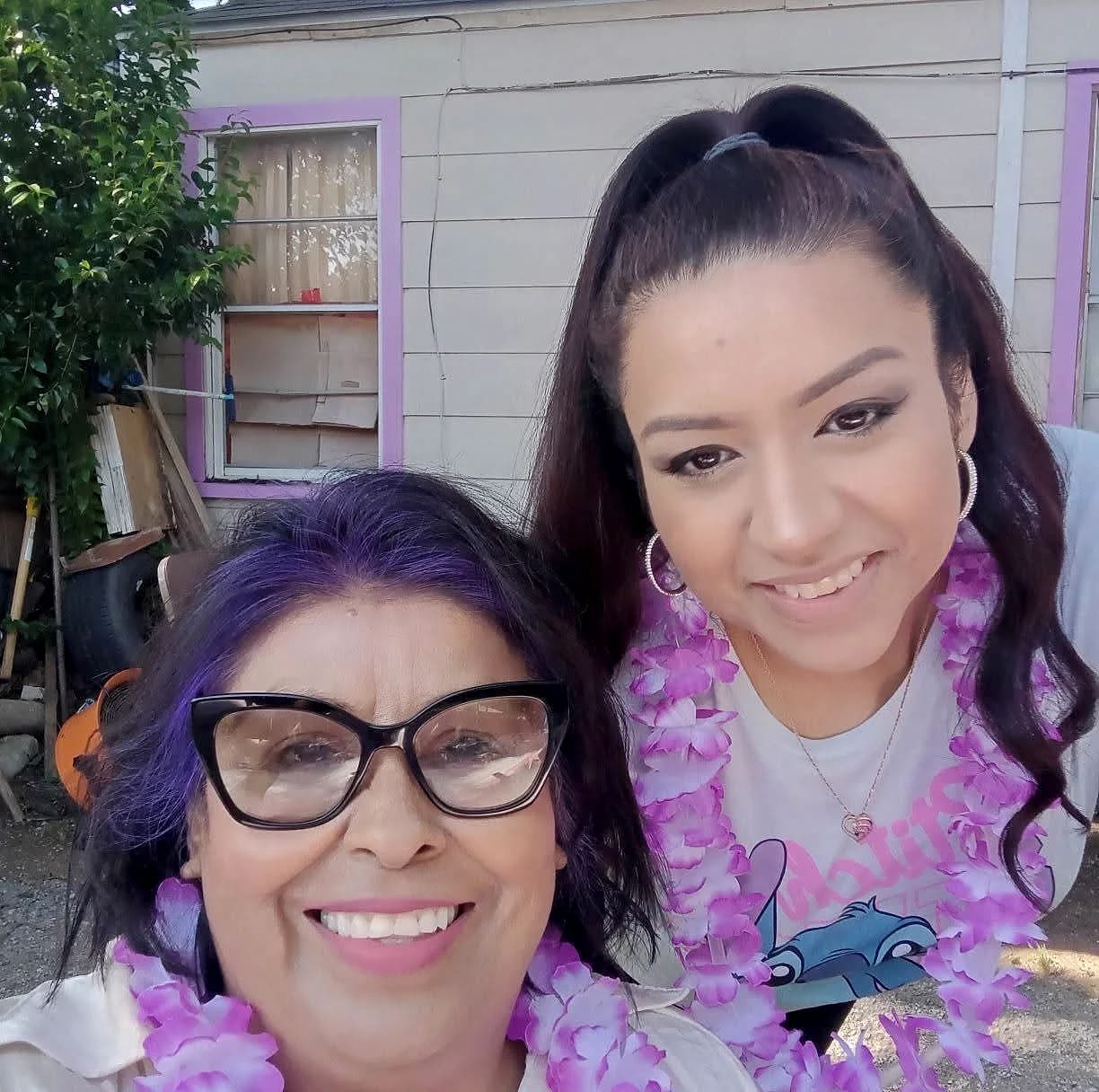
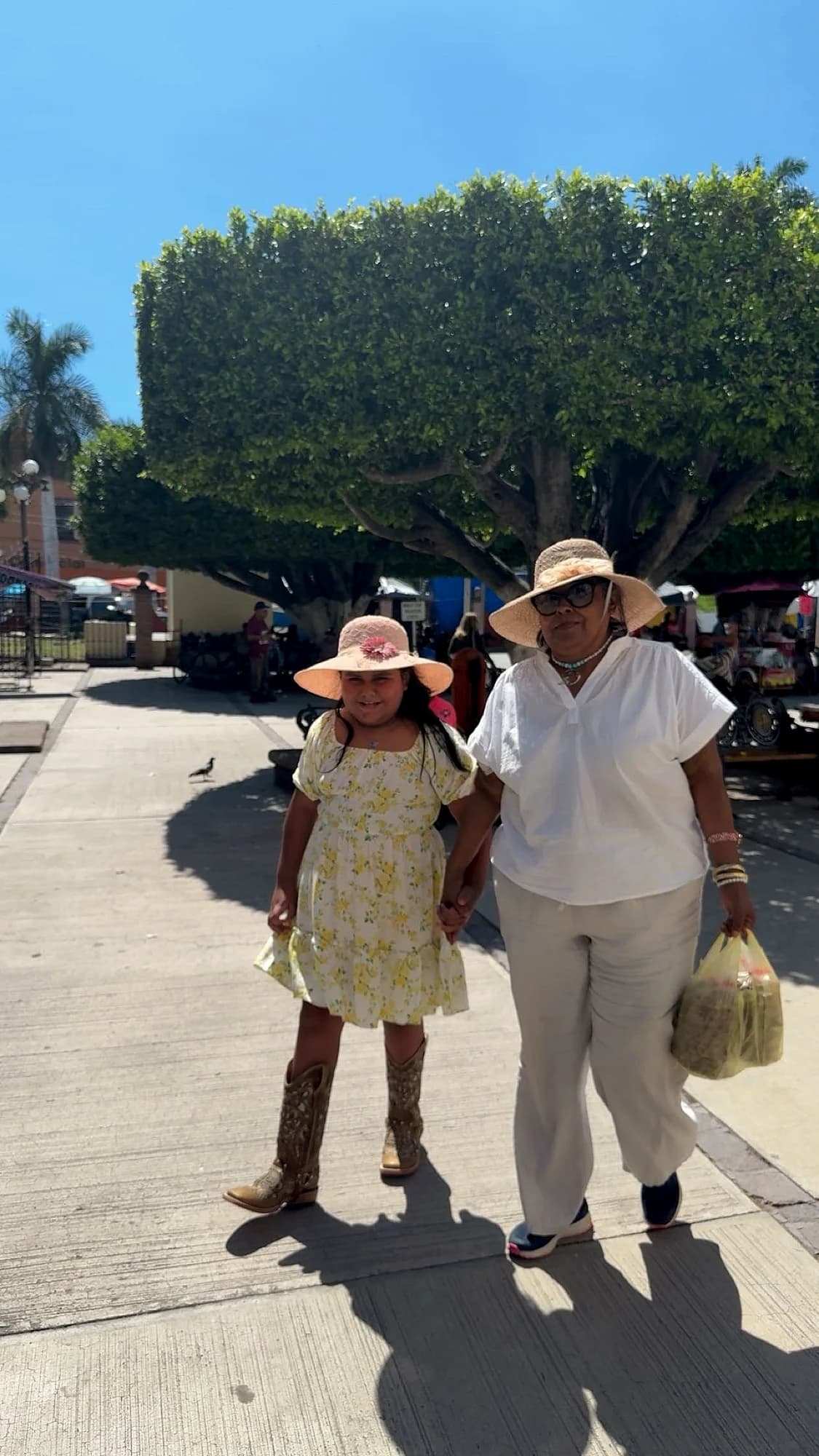
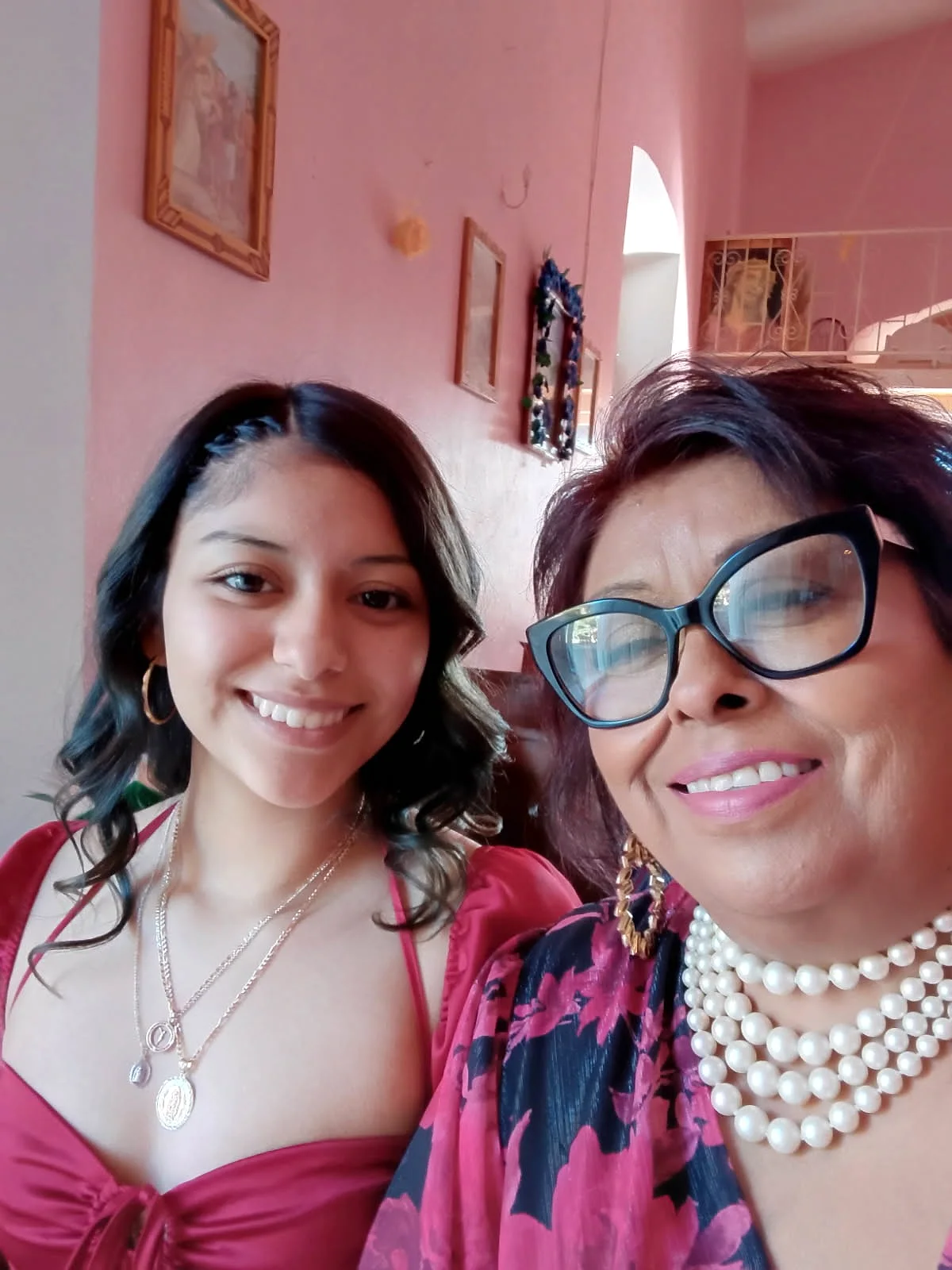
Words of support
You do not have to be able to donate to leave something here. Maria reads these.
Brandon
Sep 15, 2026
Maria - Thank you for sharing your story so openly. Your tenacity and grit are nothing short of inspirational. You deserve more energy for the people and moments you love.
Organ donation is a voluntary gift. Under U.S. federal law it is illegal to buy, sell, or receive anything of value in exchange for a human organ. My Kidney Story never handles payments of any kind, and donors are never paid.
My Kidney Story does not collect, store, or evaluate medical information, and nothing on this page is medical advice. Donor eligibility is determined solely by a transplant center after its own independent evaluation.
My Kidney Story hosts this page. The story and photographs are the recipient's own.